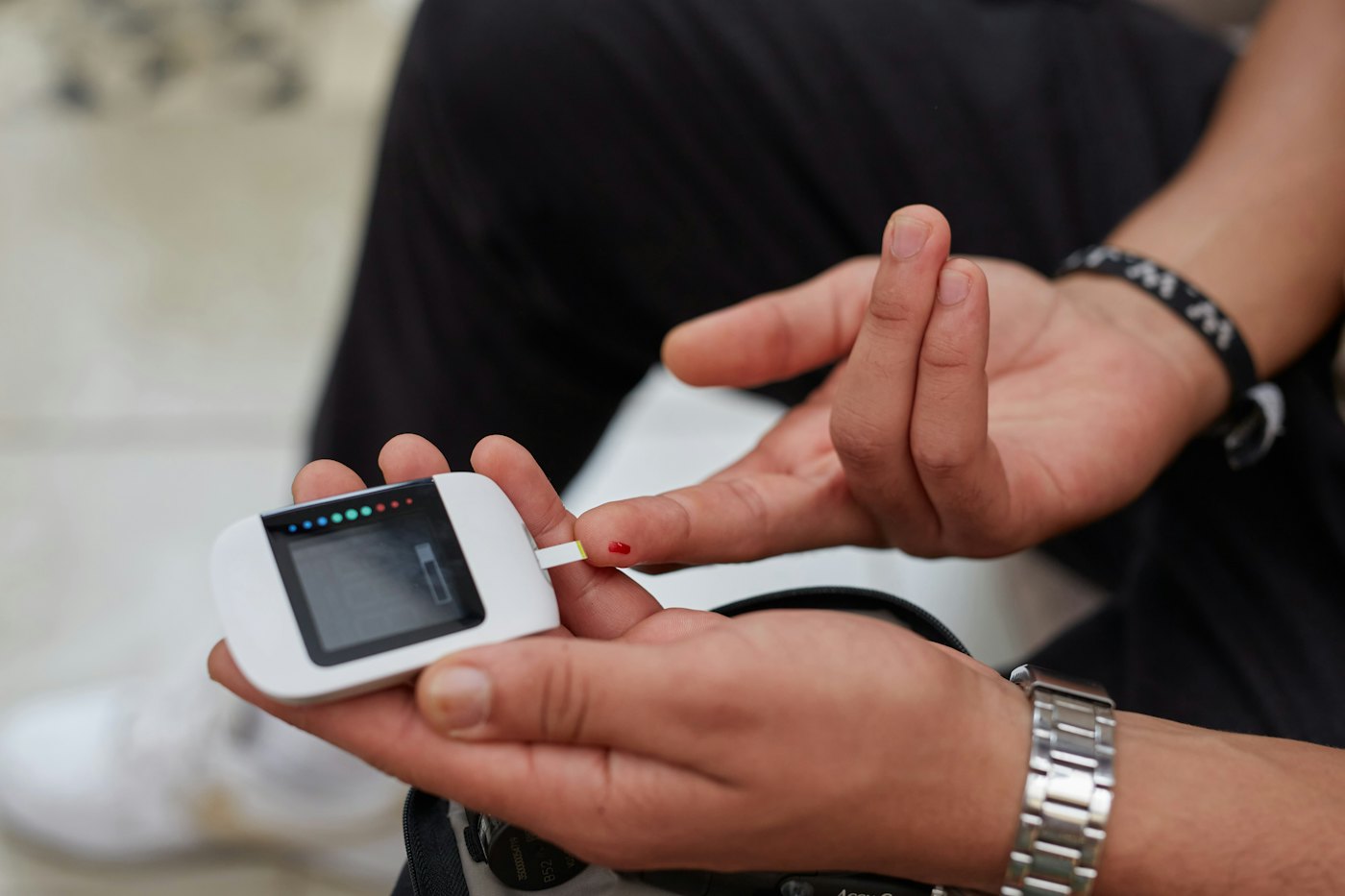
What studies in this area look at
Most studies in this area test a way of bringing blood sugar, weight or cholesterol into a healthier range. Some compare a new medicine with one already in use. Others look at a device, such as a sensor that reads glucose through the day, or at a change in diet and activity with coaching built in.
A smaller group of studies asks a different question: why some people move from prediabetes to diabetes and others do not. Those often need nothing more than a few blood tests and questionnaires over time.
Who often takes part
Each study sets its own rules, so this is a picture of the kinds of people these studies tend to ask for, not a checklist.
- Adults recently told they have prediabetes or type 2 diabetes
- People who have managed diabetes for years and use tablets, insulin or both
- People living with a higher weight, with or without diabetes
- Family members of people with diabetes, for studies on risk
What taking part can involve
Visits vary from study to study. These are among the things the team may ask of you:
- Blood tests, often after a night without food
- Wearing a glucose sensor or keeping a short food diary
- Weight, waist and blood pressure measured at each visit
- Phone or video check-ins between visits at the site
Questions worth asking
Alongside the general questions for any study, these come up often in this area:
- Will I keep taking my usual diabetes medicine during the study?
- Who should I call if my sugar runs low between visits?
- Do I need to change what I eat, and for how long?